Islington Skip and Permit Regulations for Canonbury
If you are planning a clear-out, renovation, office refresh, or garden tidy-up in Canonbury, the skip and permit rules can feel like the annoying bit nobody warned you about. And yet they matter a lot. The right permit keeps your project moving, helps you avoid fines or delays, and makes sure your waste is handled properly. In this guide to Islington Skip and Permit Regulations for Canonbury, we will break down how the rules generally work, when a permit is likely to be needed, what to watch out for on narrow residential streets, and how to choose a practical waste solution without making life harder than it needs to be.
Truth be told, most people do not start a project thinking about pavement licensing, bay suspensions, or skip placement. They just want the rubbish gone. Fair enough. But in Canonbury, where parking is tight and access can be awkward, a bit of planning can save a lot of stress later on.
Table of Contents
- Why Islington Skip and Permit Regulations for Canonbury Matters
- How Islington Skip and Permit Regulations for Canonbury Works
- Key Benefits and Practical Advantages
- Who This Is For and When It Makes Sense
- Step-by-Step Guidance
- Expert Tips for Better Results
- Common Mistakes to Avoid
- Tools, Resources and Recommendations
- Law, Compliance, Standards, or Best Practice
- Options, Methods, or Comparison Table
- Case Study or Real-World Example
- Practical Checklist
- Conclusion
- Frequently Asked Questions
Why Islington Skip and Permit Regulations for Canonbury Matters
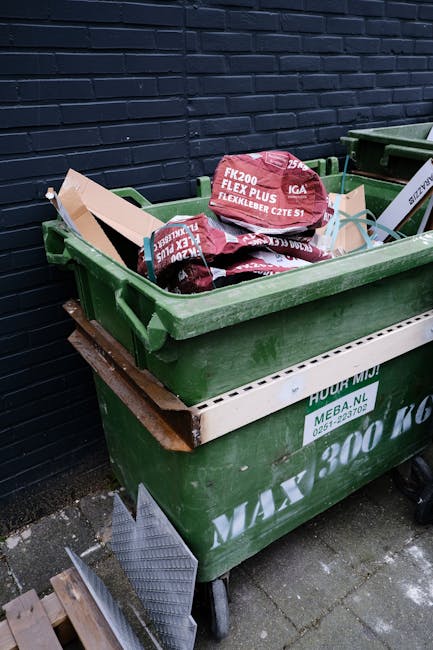
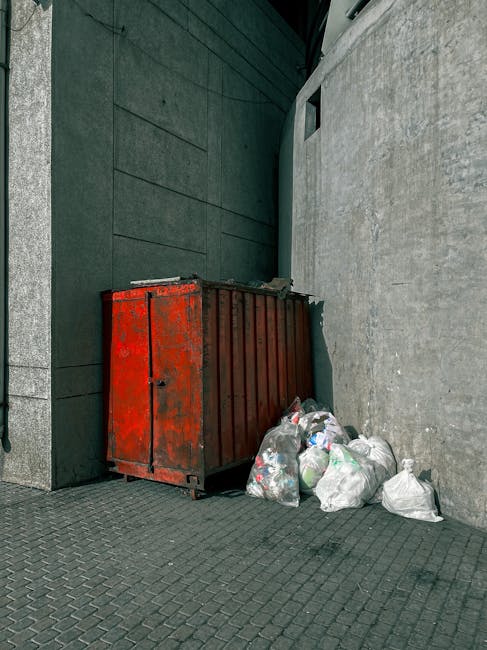
Canonbury is one of those parts of Islington where the street layout can make simple waste disposal surprisingly complicated. You may have terraced homes, shared driveways, controlled parking bays, one-way streets, or residents-only restrictions. That combination means a skip cannot always just be dropped outside and left there. Often, the location alone decides whether a permit or permission is needed.
The practical reason this matters is simple: if you place a skip on public land without the right permission, you can run into enforcement trouble. If you book the wrong size or place it in the wrong spot, the job may stall halfway through. And if the waste volume is larger than expected, the whole clear-out can stretch into an extra day or two. That is when a straightforward job starts to feel like a muddle.
For homeowners, landlords, contractors, and local businesses, understanding the local requirements helps you protect time, money, and access. It also helps keep neighbours on side. Nobody enjoys waking up to blocked kerb space or a skip that has been positioned a bit too close to the corner. In Canonbury, courtesy and compliance go hand in hand.
Practical takeaway: if the skip sits on a road, pavement, or any public-facing space, assume permission may be required until you have checked the setup properly.
How Islington Skip and Permit Regulations for Canonbury Works
At a high level, skip rules in this part of London usually come down to three things: where the skip will sit, how long it will remain there, and whether traffic, pedestrians, or parking are affected. If the skip is going on private property such as a driveway or forecourt, the process is often simpler. If it needs to go on the road or another public area, the permit conversation becomes much more important.
In Canonbury, the narrowness of some streets means the practical challenge is not only the permit itself. It is also whether the skip lorry can access the road safely, whether there is room for loading, and whether the skip will obstruct visibility. A good plan considers the full chain: delivery, placement, use, collection, and waste segregation.
Skip permits are usually tied to the placement location and may be subject to council controls, time limits, and conditions. These conditions can change depending on the exact street, local restrictions, and the type of road space involved. If a bay suspension or parking arrangement is part of the plan, that is a separate layer of logistics. A lot of people miss that and only think about the skip itself. That is where problems begin.
For many smaller domestic clearances, a skip is not always the easiest route. Alternatives such as a man and van style collection, or a more targeted waste removal service, can be more flexible if space is tight. If you are dealing with household furniture as well as mixed rubbish, services like house clearance or home clearance can sometimes reduce the hassle of permit coordination altogether.
For builders and trades, the decision often comes down to volume and timing. If the job site will generate heavy rubble or bulky offcuts, a dedicated builders waste clearance plan may be more efficient than trying to manage a long-stay skip in a tight Canonbury street.
Key Benefits and Practical Advantages
Getting the permit side right is not just about avoiding trouble. It can actually make the whole project smoother. The benefits are more practical than glamorous, but that is usually the point.
- Fewer delays: you avoid last-minute cancellation or failed delivery because the placement was not workable.
- Better compliance: you reduce the risk of fines or complaints where public space is involved.
- Safer access: the skip is less likely to block sightlines, driveways, or pedestrian routes.
- Cleaner project flow: waste leaves in a controlled way instead of piling up in the hallway or front garden.
- Better neighbour relations: a tidy, lawful setup is easier for everyone to live with.
There is also a less obvious benefit: better planning helps you choose the right disposal method. If your waste is mostly old furniture, soft furnishings, or mixed household items, a split approach may be simpler than one oversized skip. That is where comparing furniture clearance and furniture disposal options can be genuinely useful, especially if you are trying to avoid paying for empty space in a skip.
In our experience, people are often relieved once they understand the rules. The worry tends to be worse than the admin, which is saying something. Once the plan is clear, the job feels manageable again.
Who This Is For and When It Makes Sense
This guidance is relevant to a fairly wide group. If you live in Canonbury or are working there, you will probably recognise one of these situations.
- Homeowners doing a loft clear-out, kitchen refit, or end-of-tenancy reset.
- Landlords and letting agents clearing left-behind items between occupancies.
- Builders and decorators generating rubble, timber, plasterboard, and packaging.
- Local businesses disposing of desks, fixtures, and office clutter.
- Residents without driveway space who need a skip placed near the property.
It also makes sense for anyone who has looked at their pile of waste and thought, "Right, this is bigger than two car boot loads, and I do not fancy ten trips to a tip." Very relatable, honestly.
If you are dealing with more than one type of waste, the choice becomes more nuanced. A garage packed with old tools, a loft full of boxes, and a broken sofa are not all the same thing. That mix may be better handled with garage clearance or loft clearance rather than a standard skip drop. The best solution is usually the one that matches the site, not just the volume.
Step-by-Step Guidance
If you want to keep things straightforward, work through the process in order. Skipping steps is where people get caught out. Excuse the pun, but it fits.
- Assess the waste type and amount. Separate bulky household items, mixed rubbish, green waste, and building debris. This helps you avoid over-ordering space.
- Check where the skip would go. Private land is simpler. Public road space usually needs more care, and possibly permission.
- Consider access on your street. In Canonbury, think about delivery width, parked cars, turning space, and whether the skip lorry can stop safely.
- Decide whether a skip is actually the best tool. For some clearances, a direct collection or full-service removal is better.
- Book with enough lead time. Last-minute arrangements are possible in some cases, but they create pressure and limit options.
- Prepare the site. Move vehicles, protect fragile paving if appropriate, and make sure the intended spot is ready.
- Use the skip correctly. Do not overload it, and do not place restricted items in it unless the collection arrangement allows it.
- Arrange collection promptly. A skip sitting around longer than needed can become a nuisance, especially on a busy residential road.
If the job involves a commercial unit or office in the Canonbury area, it may be worth comparing a skip with a more coordinated waste service. A well-run business waste removal arrangement can sometimes be faster and less disruptive than a skip placed on-street for days at a time.
Expert Tips for Better Results
These are the kinds of practical touches that make a small difference but save a surprising amount of hassle.
- Measure the space properly. Do not guess. A few centimetres matter on Canonbury roads with tight parking.
- Plan around delivery times. Morning deliveries often work better if the street is calmer and access is easier.
- Keep neighbours in the loop. A quick heads-up can prevent complaints, especially if a bay or frontage will be temporarily affected.
- Sort waste before collection. Mixed waste is harder to manage than a tidy pile of similar materials.
- Think in stages. For larger jobs, two smaller collections may be easier than one oversized, stressful setup.
One useful rule of thumb: if you are already juggling trades, deliveries, and a tight deadline, choose the least fiddly waste option. Life is short. Pavement access disputes are not worth the headache.
If sustainability matters to you, ask how the waste will be handled after collection. A provider with a proper recycling and sustainability approach can help ensure reusable materials are diverted away from landfill where possible. It is one of those behind-the-scenes things that rarely gets talked about, but should.
Common Mistakes to Avoid
Most problems come from a small set of avoidable errors. Nothing dramatic, just everyday oversights that snowball.
- Assuming road placement is fine without checking. This is the big one.
- Leaving arrangements until the last minute. Permits, delivery slots, and access planning all get harder under time pressure.
- Choosing the wrong waste method for the site. A skip is not always the smartest answer in Canonbury.
- Overfilling the skip. This can create collection issues and safety concerns.
- Ignoring parking restrictions. A skip plus parking tensions is a very London kind of problem.
- Mixing restricted items with general waste. Some materials need separate handling.
There is also a subtle mistake people make: they focus on the price of the skip but not the total job cost. If the permit, parking changes, or extra collection day are not considered, the budget can drift. Not wildly, but enough to annoy you later.
Tools, Resources and Recommendations
You do not need a complicated toolkit, but a little structure helps.
- Measuring tape: useful for checking skip fit, access width, and front-of-property space.
- Simple room or site list: note where waste is coming from so you can estimate volume more accurately.
- Camera phone: take a few photos of the site, especially if access looks awkward.
- Calendar or reminder app: keep track of collection day and any permit-related time limit.
- Waste sorting bags or boxes: handy for separating reusable items, recyclables, and general rubbish.
If you are still deciding whether a skip or a direct clearance is more suitable, browsing the available services can help. For instance, flat clearance is often a better fit for apartment moves, while office clearance may be the cleaner choice for desks, chairs, and filing clutter. If you are dealing with awkward heavy items, a focused waste removal service may be all you need.
For pricing clarity, it is sensible to check a clear quote rather than assuming a one-size-fits-all figure. The best providers will ask a few sensible questions and explain what is included. If you want a starting point, pricing and quotes information is the sort of page worth reading before you book anything.
Law, Compliance, Standards, or Best Practice
For Canonbury residents and businesses, the important thing is to treat skip placement as a compliance issue, not just a logistics issue. Public highway use is often regulated, and the exact rules depend on location, access conditions, and how the waste container is being positioned. Because requirements can change and local enforcement can be strict, it is wise to verify the current arrangement before moving ahead.
Best practice usually includes:
- checking whether the skip sits fully on private land or partly on the public highway;
- making sure the skip is visible and safely positioned if road-adjacent;
- avoiding obstruction to pedestrians, cyclists, and emergency access;
- keeping waste within the permitted setup and collection plan;
- using a properly licensed and insured waste carrier for removal.
That last point matters more than people realise. If a waste carrier is not working properly, the responsibility can bounce back to the person who arranged the clearance. Nobody wants that conversation later. If you want reassurance around operational standards, a company's insurance and safety information and health and safety policy are worth reviewing. They show whether the business takes the basics seriously.
Also worth noting: if a service is booked for a sensitive setting such as a workplace, residential block, or shared property, careful communication is part of good compliance. It is not just paperwork. It is being decent, really.
Options, Methods, or Comparison Table
Below is a simple comparison of common waste-handling options in Canonbury. The right choice depends on space, volume, access, and how quickly the waste needs to go.
| Option | Best for | Main advantage | Possible drawback |
|---|---|---|---|
| Skip on private land | Driveways, forecourts, larger clear-outs | Simple once space is available | Needs enough room and access |
| Skip on road or public space | Homes without private access | Can work where land is limited | May require permission and tighter controls |
| Direct waste removal | Mixed household or business waste | Less on-site disruption | May need more sorting beforehand |
| Specialist clearance service | Furniture, lofts, garages, flats, offices | Hands-off and efficient | Not always ideal for pure builder rubble |
For many Canonbury properties, especially flats or homes with narrow frontage, direct clearance can be the calmer route. If the waste is mainly furniture, you may find furniture clearance or furniture disposal more practical than organising a skip and permit around the street layout. It depends on the job, of course.
There is no prize for using the most complicated option. The best method is the one that clears the waste cleanly, legally, and without upsetting the neighbours.
Case Study or Real-World Example
Imagine a Canonbury resident clearing out a small Victorian terrace after a kitchen refit. There are broken cupboards, packaging, old flooring, and a few heavy bags of mixed waste. The obvious thought is to order a skip and leave it on the road for a few days.
But then the practical questions appear. Is the road wide enough? Will the skip block a neighbour's car? Does the frontage allow private placement? Is there room for the lorry to load without causing a traffic issue? The resident also realises that most of the waste is a mix of bulky items rather than pure rubble. That changes the picture.
After checking the site, they decide a combined approach works better: the bulky items are handled through a clearance service, while only the true renovation waste is scheduled for a more appropriate container. The result is less time spent juggling parking issues, fewer arguments with the street, and a cleaner finish by the end of the week. Simple enough, but easy to get wrong if you rush.
That sort of outcome comes up often. The best solution is rarely the most obvious one at first glance.
Practical Checklist
Use this before you book or place anything.
- Confirm where the waste will be stored or loaded.
- Check whether the skip will sit on private property or public land.
- Measure available space and access width.
- Review parking restrictions and likely delivery times.
- Estimate waste type and volume as accurately as you can.
- Decide whether a skip, direct removal, or specialist clearance is the best fit.
- Ask about permit responsibilities if a public space is involved.
- Make sure the waste carrier is properly insured and follows safety procedures.
- Separate reusable items where practical.
- Book collection before the site gets cluttered again.
If your project also involves a lot of domestic clutter, a service like house clearance or flat clearance may help simplify the whole process. The less you have to improvise on the day, the better.
Conclusion
Getting to grips with Islington Skip and Permit Regulations for Canonbury is mostly about planning well and choosing the right waste method for your property, access, and timeline. If the skip sits on public land, you need to think carefully about permission, parking, safety, and collection timing. If your waste is mainly furniture, household clutter, or office items, a skip may not even be the cleanest answer.
What matters most is that the job gets done without unnecessary stress. Canonbury streets can be tight, neighbours notice everything, and the smallest access issue can become a real delay. A bit of foresight goes a long way. So does a calm, practical approach.
Get a free quote today and see how much you can save.
And if all you take away from this is that a five-minute check can save a five-day headache, that is probably a win.
Frequently Asked Questions
Do I need a permit for a skip in Canonbury?
If the skip is going on a public road, pavement, or another area of public access, a permit may be required. If it stays fully on private land, the process is often simpler. The exact answer depends on the placement and local conditions, so it is best to check before booking.
Can I put a skip outside my house in Islington?
Sometimes yes, but only if the location is suitable and any permission needed has been arranged. In Canonbury, narrow streets and parking controls can make this more complicated than it first appears.
What happens if I place a skip without the right permit?
You may face enforcement action, delays, or requests to move the skip. It is a lot easier to sort the placement properly from the start than to fix it after the fact.
Is a skip always the best option for a Canonbury property?
No. For flats, terraces with tight frontage, or mixed household waste, direct clearance can be more practical. It depends on the waste type, access, and how much disruption you can tolerate.
How long can a skip stay in place?
That depends on the arrangement and any permit conditions. Some skips are needed only briefly, while others are kept for longer projects. The collection plan should always be clear before delivery.
What waste can I put in a skip?
General household waste, furniture, garden waste, and many construction materials are commonly accepted, but some items may need separate handling. Always check what is excluded before loading anything.
Are builders' skips different from domestic skips?
Often they are similar in principle, but the waste mix, access demands, and timing are usually different. Builders' work may also produce heavier waste that needs a more robust collection plan.
What if I do not have space for a skip?
That is common in Canonbury. In that case, waste removal, flat clearance, or furniture clearance may be better than trying to force a skip into a space that simply does not suit it.
How can I keep the job compliant and safe?
Check access carefully, use a licensed and insured provider, keep the skip or waste area unobstructed, and make sure you understand any permission required for public placement. Safety and compliance go together here.
Is it cheaper to use a skip or a clearance service?
It depends on the size of the job, the type of waste, and whether a permit or parking changes are involved. A skip may look cheaper at first, but once all the hidden logistics are included, a clearance service can sometimes be better value.
Can furniture and household clutter be handled without a skip?
Yes. That is often the cleaner route. Services such as furniture clearance, house clearance, or home clearance can remove items directly, which is especially useful where access is awkward.
What should I do if I am unsure about the rules?
Start by checking where the waste will go and whether any public space is involved. If the situation is not straightforward, it is sensible to ask for guidance before booking. A few minutes of checking now can save a lot of hassle later.