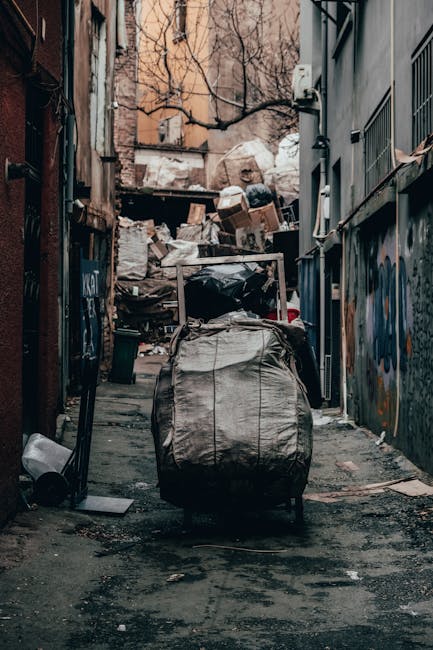
Same-Day Rubbish Removal in Islington for Evictions
If you are dealing with an eviction, you already know the pressure. There is paperwork, timing, maybe a tenant dispute, and then there is the property itself: left-behind furniture, broken items, black bags, old appliances, and that slightly stale smell that seems to cling to hallways after a rushed move-out. Same-Day Rubbish Removal in Islington for Evictions is designed for exactly this kind of situation. It helps landlords, letting agents, housing managers, and property owners clear spaces quickly so the next step can happen without unnecessary delay.
In practical terms, speed matters because eviction-related clearances are rarely just about rubbish. They are about regaining control of a property, reducing void time, limiting neighbour complaints, and making sure the place is safe and ready for inspection, cleaning, re-letting, or repair. This guide explains how the process works, who it suits, what to watch out for, and how to choose a sensible, trustworthy service in Islington. We will also cover compliance, cost considerations, and the little details that often get missed until the last minute. To be fair, those small details are usually the ones that create the big headaches.
Expert summary: Same-day eviction clearance works best when the property is assessed quickly, the waste is sorted properly, and the removal team understands access, safety, and disposal requirements. Fast is useful, but organised is what saves you time in the end.
Why Same-Day Rubbish Removal in Islington for Evictions Matters
Eviction clearances are time-sensitive by nature. Once a property has been vacated or possession has been regained, the clock starts ticking. Every extra day of clutter can slow down cleaning, decorating, maintenance, safety checks, inventory work, or marketing. In a busy borough like Islington, with tight streets, limited parking, and a constant flow of deliveries and trades, delay tends to snowball. One missed collection window can throw off an entire week.
This is where same-day rubbish removal becomes useful rather than merely convenient. It creates momentum. A flat in Angel, a maisonette near Holloway Road, or a converted terrace in Barnsbury can often be cleared the same day if access is arranged properly and the waste is described clearly. That means fewer return visits, fewer excuses, and less stress for everyone involved.
There is also a reputational angle. Landlords and agents often want to keep relationships smooth with neighbours, leaseholders, contractors, and incoming tenants. A property full of abandoned furniture or loose rubbish can look neglected and raise complaints. Sometimes it is not even the mess itself; it is the sense that nothing is moving. Same-day clearance restores order quickly, and that matters more than people think.
If you are comparing providers, it helps to look beyond speed alone. A proper service should be able to talk through access, separation of reusable items, disposal routes, and any special handling for bulky or awkward waste. If you need broader support too, the main Islington clearance service can be a useful starting point for understanding the full range of options.
How Same-Day Rubbish Removal in Islington for Evictions Works
Most same-day eviction clearances follow a fairly simple sequence, though the exact details depend on the size of the property and how much has been left behind. A good provider will try to keep the process plain and quick. Nobody wants a maze of phone calls when a tenancy has already become complicated.
1. Initial enquiry and brief assessment
You give a rough description of the property, the kind of waste involved, the floor level, whether there is a lift, and how urgently you need the work done. Photos are often the fastest way to avoid misunderstandings. A stairwell full of dismantled wardrobes is a very different job from a single room with bin bags.
2. Quote and timing confirmation
In a same-day scenario, the provider normally gives a practical price range or a fixed quote if the scope is clear enough. For many readers, this is the point where checking pricing and quote information is sensible, especially if you want to compare your options without wasting time.
3. Arrival and access planning
On the day, the team arrives with the right vehicle, loading equipment, protective gear, and a plan for the access route. In London, that may mean working carefully around parking restrictions, controlled zones, shared entrances, and narrow hallways. A small delay in getting the van close to the property can make the job slower than expected. It happens.
4. Sorting, loading, and safe removal
Items are separated where needed. Reusable materials, recyclable waste, and general rubbish should not be mixed carelessly. Bulky items may need dismantling. If there are potentially hazardous materials, they need special handling rather than a casual toss into the back of a van. That is a red flag if you see it.
5. Disposal and paperwork
After collection, the waste should be transported to licensed facilities or transferred into approved recycling streams. Reputable firms can explain where the waste is going in broad terms and how they approach responsible disposal. If sustainability matters to you, the provider's recycling and sustainability approach is worth reviewing before you book.
For a landlord or agent, the value of this process is not just speed. It is the calm that follows. The flat is empty, the corridor is clear, and the next contractor can finally get to work without stepping around a heap of old bedding and broken shelving. Simple, but a relief.
Key Benefits and Practical Advantages
Same-day eviction clearance is not only about saving time. It can improve the whole post-eviction workflow in a way that feels quite tangible by the end of the day.
- Faster property turnaround: The sooner the rubbish is removed, the sooner cleaning, repairs, and re-letting can begin.
- Reduced stress: One coordinated visit is usually easier than juggling multiple trades and collections.
- Better presentation: Empty and cleared spaces are easier to assess, photograph, and market.
- Less risk of complaints: Neighbours are less likely to raise concerns about smell, pests, or fly-tipped bags.
- Safer working conditions: Clearing sharp, broken, or unstable items reduces trip hazards for contractors.
- More predictable budgeting: A prompt quote and a single removal job can be easier to manage than drawn-out disposal.
There is a quieter benefit too. A properly cleared property feels like a reset. People often underestimate that. Once the waste is gone, everyone can think more clearly about what needs doing next.
For organisations that care about governance and trust, it can also help to understand the company's wider policies. Pages like insurance and safety information and the health and safety policy can help reassure you that the service is not just about lifting heavy things quickly; it is about doing so responsibly.
Who This Is For and When It Makes Sense
Not every clearance needs to happen on the same day. But eviction-related jobs often do, especially when there is a fixed handover date or a strong need to get a property back into use. This service is typically right for:
- Landlords dealing with abandoned furniture, waste, or general clutter after possession changes.
- Letting agents managing turnaround between tenancies.
- Housing associations or property managers working to a schedule.
- Private homeowners who have inherited a rental property that needs a quick clear-out.
- Solicitors or enforcement teams coordinating practical property recovery steps.
It makes sense when the property is safe enough to access, when there is a clear list of items to remove, and when delay would cost more than prompt action. If you only have a few bags and one broken chair, a standard collection may do. But if there is a hall stacked with boxes, a wardrobe, mattresses, and general rubbish, same-day service saves a lot of faffing about.
One thing that catches people out: eviction clearances are rarely emotional-free. Even when the process is straightforward, there can be tension, uncertainty, or the odd missing key. A good team understands that and keeps the practical side moving without making a fuss. That understated approach can be surprisingly valuable.
Step-by-Step Guidance
If you want the job done smoothly, it helps to approach it as a small project rather than a panic response. Here is a simple way to handle it.
- Document the property condition. Take clear photos of every room, corridor, loft, basement, or outside area that needs clearance. This helps avoid disputes later and makes quoting easier.
- Separate what must stay. Check for tenant belongings that may need to be preserved, such as personal documents, medications, or items that should not be removed without proper authority.
- Identify bulky or awkward items. Sofas, wardrobes, mattresses, white goods, and heavy desks often require more planning than bagged waste.
- Check access in advance. Note stairs, parking restrictions, loading bays, entry codes, and any shared entrances. In Islington, access is often the difference between a quick job and a slow one.
- Ask for a clear quote. Confirm whether the price covers labour, loading, transport, disposal, and any extra items.
- Book an appropriate time window. Same-day does not mean "at any random moment". A short, realistic window is better than vague promises.
- Prepare the site. Open gates, unlock access points, and make the route to the waste as clear as possible.
- Confirm disposal expectations. Make sure the company will handle waste responsibly and can explain its recycling approach where relevant.
- Inspect after removal. Walk through the property once the team has finished. Check cupboards, loft spaces, and storage corners. People forget things. Often.
- Arrange the next trade. Once the property is clear, book cleaners, decorators, or repair work straight away so the momentum continues.
A small point, but a useful one: if you have the choice, gather all the information first and only then book. It avoids that awkward moment where the team arrives and discovers there is a basement full of wet carpet and a locked back alley. Nobody enjoys that conversation.
Expert Tips for Better Results
After enough property clearances, a few patterns become obvious. These are the habits that tend to make eviction clearances faster, cleaner, and less stressful.
- Take photos in daylight. Early morning or late afternoon can hide details. A bright image of the actual waste helps with accurate quoting.
- Be honest about volume. Underestimating the amount of waste is one of the quickest ways to cause delays.
- Tell the provider about access problems upfront. Tight staircases, permit parking, and shared entrances need planning.
- Ask what cannot be taken. Certain items may need special treatment. Better to know before the van is on the way.
- Keep key documents and valuables separate. This is basic, but in the rush of an eviction it is easy to miss.
- Choose a provider that can explain their process in plain English. If the answer sounds vague, keep asking. Seriously.
If sustainability matters to you, ask how recyclable materials are handled and whether reusable items are separated where possible. That does not need to turn into a lecture; just a practical conversation. Many clients now prefer a service that treats disposal with a bit more care, not less.
One more thing. If the job is sensitive, especially around tenant belongings or disputed access, choose a provider that is comfortable working with clear instructions and records. Good notes matter. Old-fashioned, perhaps, but still useful.
Common Mistakes to Avoid
Most clearance problems are preventable. They usually come from rushed assumptions rather than bad intentions.
- Booking before checking access. A van that cannot park close enough to the property can turn a quick job into a longer one.
- Leaving sorting until the team arrives. That usually slows everything down and creates confusion over what should go.
- Assuming all waste is the same. General rubbish, furniture, appliances, and potentially hazardous items do not always follow the same disposal route.
- Ignoring safety risks. Broken glass, sharp metal, damp flooring, and unstable stacks of items can all create hazards.
- Choosing only on price. Cheapest is not always the best value, especially when you need reliability and proper disposal.
- Not asking about insurance. If something goes wrong during removal, you want to know the provider is properly covered.
And yes, people do still forget to check the loft. Or the shed. Or that odd cupboard under the stairs that somehow holds three broken lamps and a suitcase from 2009. It happens more often than anyone admits.
Tools, Resources and Recommendations
You do not need a lot of special equipment to manage a same-day eviction clearance, but a few simple tools help the process run more cleanly.
- Phone camera: For photos, before-and-after documentation, and quick access checks.
- Basic clipboard or notes app: Useful for listing items that must stay or need special handling.
- Heavy-duty bags or boxes: Helpful if you are pre-sorting smaller items.
- Gloves and sturdy footwear: Especially if you are walking through clutter or around sharp debris.
- Key access list: Needed for shared entrances, side gates, basements, or lock-up areas.
For reader confidence, it is also worth looking at practical support pages that explain how the business operates. The payment and security information is useful if you want to know how bookings and transactions are handled, while the complaints procedure shows there is a clear route if something does not go to plan. That kind of transparency matters more than people realise.
If you need to speak to the company directly, use the main site and ask about same-day availability, access constraints, and whether the team can work around your eviction timetable. Straight questions get the straightest answers. Usually.
Law, Compliance, Standards, or Best Practice
Eviction-related clearances sit in a space where practical work, property responsibilities, and disposal compliance overlap. This is why it is wise to stay careful and not cut corners. You do not need to become a legal expert to book rubbish removal, but you do need a provider that behaves responsibly.
In the UK, waste should be handled in line with applicable waste duty and disposal expectations. That generally means using licensed routes for disposal, avoiding fly-tipping, and ensuring waste is transferred responsibly. The exact duties depend on the circumstances, but the principle is simple: waste should not disappear into the back of a van and become someone else's problem.
For eviction clearances specifically, a few best-practice points are especially relevant:
- Confirm authority to clear the property. Make sure you are acting within the correct legal and contractual position.
- Separate personal items where required. If belongings may need to be retained, stored, or documented, handle them carefully.
- Use insured and trained teams. This helps reduce risk when moving bulky or awkward items.
- Keep records. Photos, notes, and invoices can be useful if questions arise later.
- Ask about health and safety procedures. Especially in properties with broken furniture, damp, pests, or poor lighting.
Reputable operators should also be transparent about their wider standards. It is perfectly reasonable to review pages such as the modern slavery statement and accessibility statement if you want a fuller picture of how the business presents itself. That does not mean every reader will dive into policy pages, of course, but for procurement-minded landlords and managing agents, it can help.
Truth be told, good compliance is often invisible. You notice it when nothing goes wrong.
Options, Methods, or Comparison Table
There are a few ways to handle eviction-related waste. The right choice depends on speed, volume, access, and how much coordination you want to manage yourself.
| Method | Best for | Advantages | Limitations |
|---|---|---|---|
| Same-day rubbish removal | Urgent eviction clearances, bulky waste, time-sensitive turnovers | Fast, coordinated, minimal disruption | Can cost more than standard collection if the job is urgent or complex |
| Scheduled clearance | Non-urgent properties with flexible timelines | Good planning, potentially easier to coordinate | Slower turnaround, may delay cleaning or re-letting |
| DIY removal | Very small amounts of waste and easy access | May appear cheaper at first glance | Time-consuming, physically demanding, disposal compliance remains your responsibility |
| Mixed approach | Properties with reusable items, general waste, and bulky furniture | Can be tailored, sometimes cost-effective | Needs careful organisation and clear instructions |
For most eviction scenarios in Islington, same-day clearance is the most practical route when the property needs to move quickly from "messy" to "manageable". DIY removal sounds tempting until you realise you need a van, a disposal route, lifting help, and half a day you probably do not have. Not ideal.
Case Study or Real-World Example
Here is a realistic example. A landlord in Islington regains possession of a one-bedroom flat after a tenancy ends unexpectedly. The property contains a broken sofa, two mattresses, a dismantled wardrobe, several bin bags, and a few loose items in the hallway. The agent needs the space cleared quickly because cleaners are booked for the following morning and viewings are planned later in the week.
The first thing done is a quick photo survey. The agent checks access, confirms there is no lift, and notes that parking is tight but possible for a short loading window. A same-day rubbish removal team is booked, arrives with the right equipment, and works methodically through the property. The bulky furniture is removed first, followed by loose waste and smaller items. The team sweeps up after loading, which sounds minor, but in a hallway full of dust and splinters it makes a real difference.
By late afternoon, the flat is clear enough for cleaners to begin. The agent can move on, the landlord avoids a further delay, and the property is back on track. Nothing dramatic happened. That is the point. A good clearance often looks uneventful from the outside because it has been handled properly from the start.
In our experience, those uneventful jobs are the best ones.
Practical Checklist
Use this before you book or on the morning of the clearance. It saves time, and a bit of stress too.
- Take photos of every room and any outside storage area
- Confirm you have authority to clear the property
- List anything that must not be removed
- Note bulky items, appliances, and heavy furniture
- Check stairs, lifts, parking, and entry access
- Ask whether the service includes loading and disposal
- Confirm the price, timing, and any extra charges
- Ask about insurance and safety procedures
- Check how recyclable waste is handled
- Inspect the property after the removal is complete
If you want one final practical reminder, it is this: the cleaner the brief, the smoother the job. Not perfect, just clear.
Conclusion
Same-Day Rubbish Removal in Islington for Evictions is about more than getting rid of junk fast. It is about restoring order at a moment when a property has become complicated, time is short, and everyone involved wants the next step to happen without drama. When the process is handled well, you get speed, compliance, and a clean reset for the property.
For landlords, agents, and property managers, the smartest approach is simple: document the job, confirm access, choose a provider that treats safety and disposal seriously, and keep the communication direct. Do that, and the whole process becomes much easier than it first looked. A bit of organisation goes a long way.
Get a free quote today and see how much you can save.
And if the situation feels messy right now, that is fine. Most eviction clearances begin that way. The important part is getting the property back under control, one sensible step at a time.
Frequently Asked Questions
How fast can same-day rubbish removal in Islington for evictions usually happen?
It often depends on access, waste volume, and the time of day you enquire. If the property details are clear and the team has availability, a same-day visit may be possible. The earlier you contact the provider, the better the chance of getting a suitable window.
What types of waste are commonly removed after an eviction?
Typical items include furniture, mattresses, bags of mixed rubbish, old appliances, broken shelving, textiles, and general left-behind clutter. If there are unusual or potentially hazardous items, mention them early so they can be handled appropriately.
Do I need to sort everything before the team arrives?
Not always, but basic sorting helps. At minimum, separate anything that must stay, anything sensitive, and anything that may need special handling. If you can group bulky items and loose waste, the job usually goes faster.
Can a clearance team remove items from upper floors or basements?
Yes, usually, as long as access is safe and disclosed in advance. Stairs, narrow landings, and low ceilings can affect timing, so it is worth mentioning those details when you request a quote.
How much does same-day rubbish removal cost in Islington?
Costs vary depending on the amount of waste, access difficulty, labour involved, and urgency. Same-day work can sometimes cost more than a planned collection. For a clearer idea, it helps to request a tailored quote rather than guessing.
Is it better to use a same-day service or hire a skip for an eviction clearance?
For urgent property turnarounds, same-day removal is often easier because you do not need to arrange permits, loading, or a long on-street skip hire period. A skip can work for longer jobs, but it is usually less convenient when time is tight.
What should I do with tenant belongings left behind?
Handle them carefully and follow the correct authority and retention process for your situation. If there is any uncertainty, do not mix personal belongings with general rubbish. Keep notes and photos, and get advice where needed.
How do I know the waste will be disposed of properly?
Ask how the company handles disposal, whether they use licensed routes, and how they separate recyclable materials. A trustworthy provider should be able to answer these questions clearly without sounding evasive.
Can same-day rubbish removal help with cleaning and re-letting deadlines?
Yes. Clearing the property quickly usually allows cleaners, decorators, and inspectors to start sooner. That can reduce void time and help the property move back into use with fewer delays.
What if the property has damaged items, smells, or safety risks?
Tell the provider before booking. Damaged furniture, damp areas, broken glass, and unpleasant odours can affect the removal plan. A careful team will adjust the approach and use suitable safety measures.
Do reputable clearance companies provide insurance information?
They should. It is reasonable to ask about insurance and safety arrangements before confirming the job. If a company is reluctant to discuss that, consider it a warning sign.
How do I prepare for a same-day visit if I only have a few hours?
Take photos, unlock access where possible, list items to be removed, and confirm parking or entry instructions. Keep communication short and clear. A precise brief is the quickest way to get a smooth result.